This website uses cookies to ensure you get the best experience on our website.


- Table of Contents
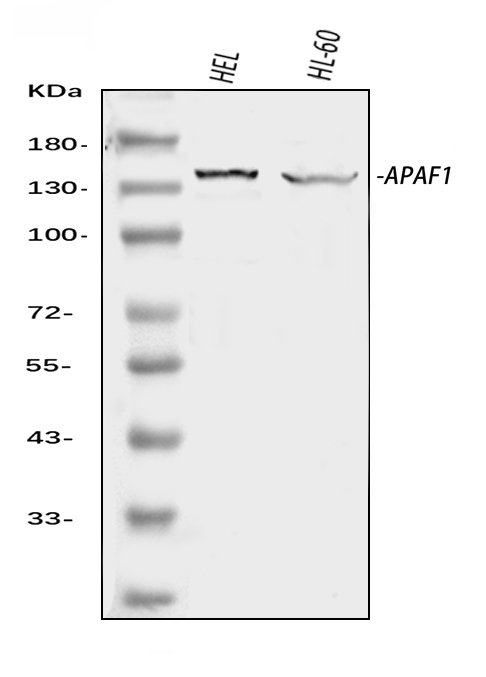
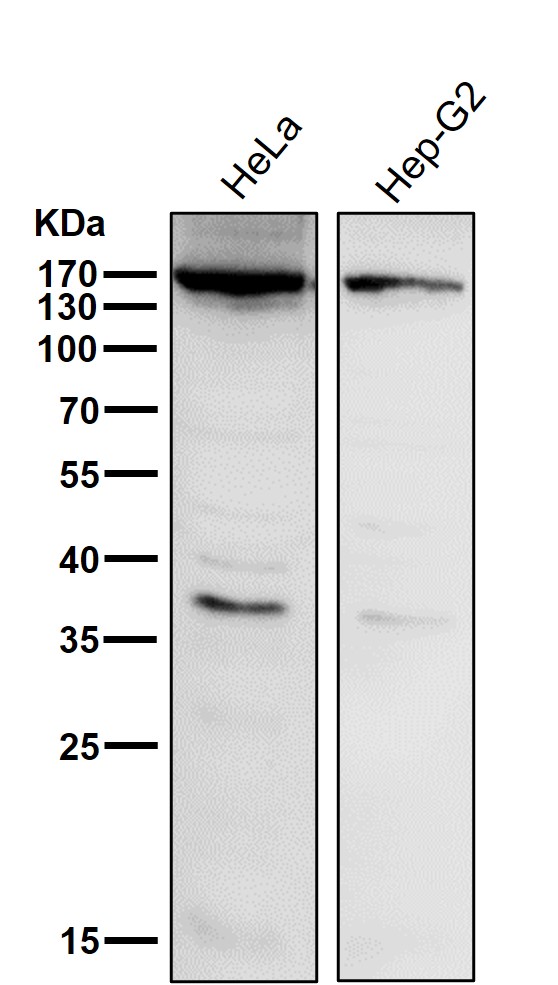
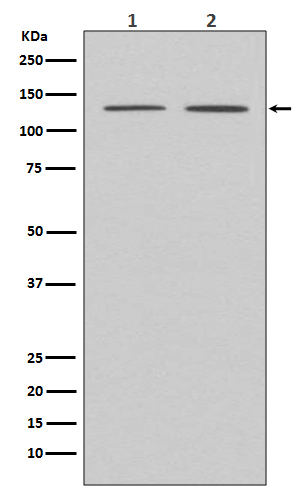
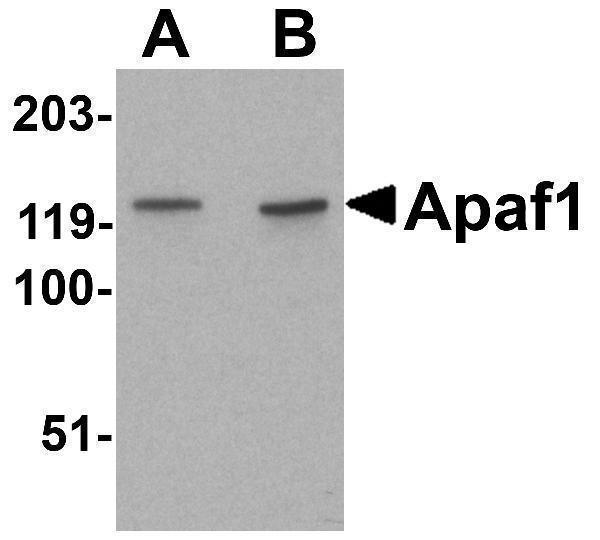
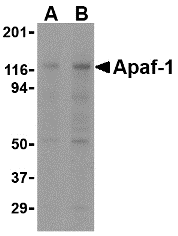
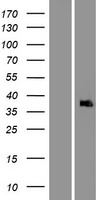
Designing a Western blot for APAF1? The guide has the expected band size, antibodies backed by real blot images, the controls to run alongside, and protocols taken from published papers.
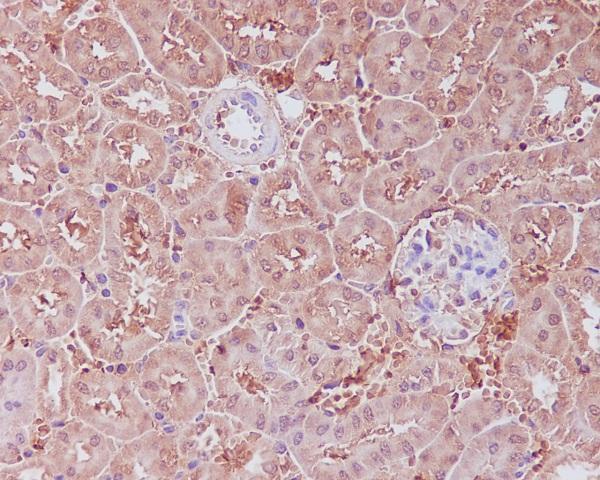
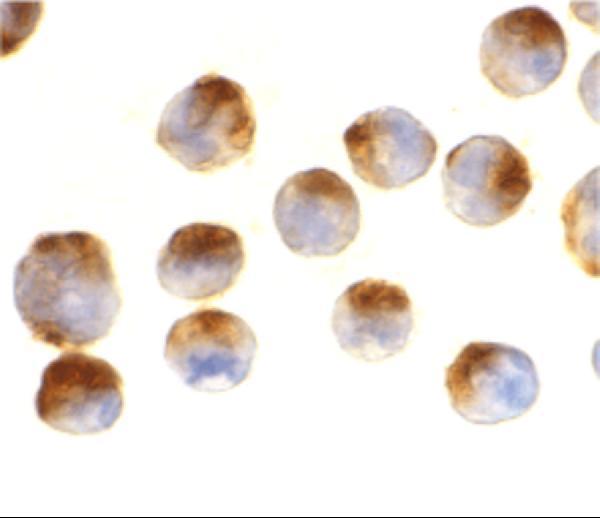
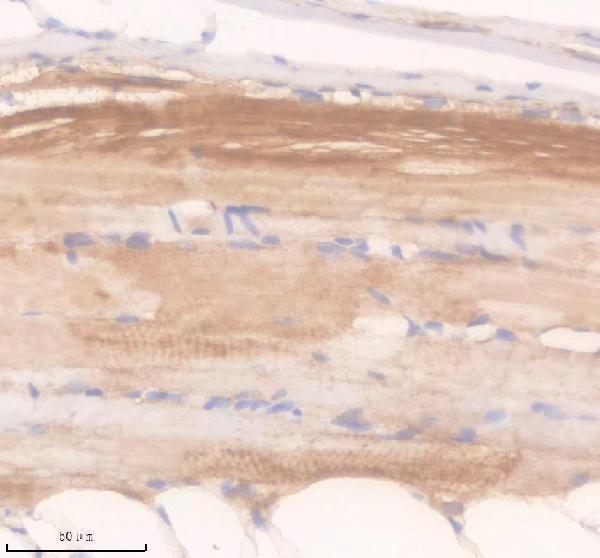
Open the APAF1 Western Blot GuideDesigning an IHC experiment for APAF1? The guide has the expected staining pattern, antigen retrieval and fixation, antibodies backed by real IHC images, the tissue controls to run alongside, and protocols taken from published papers.
Open the APAF1 IHC Guide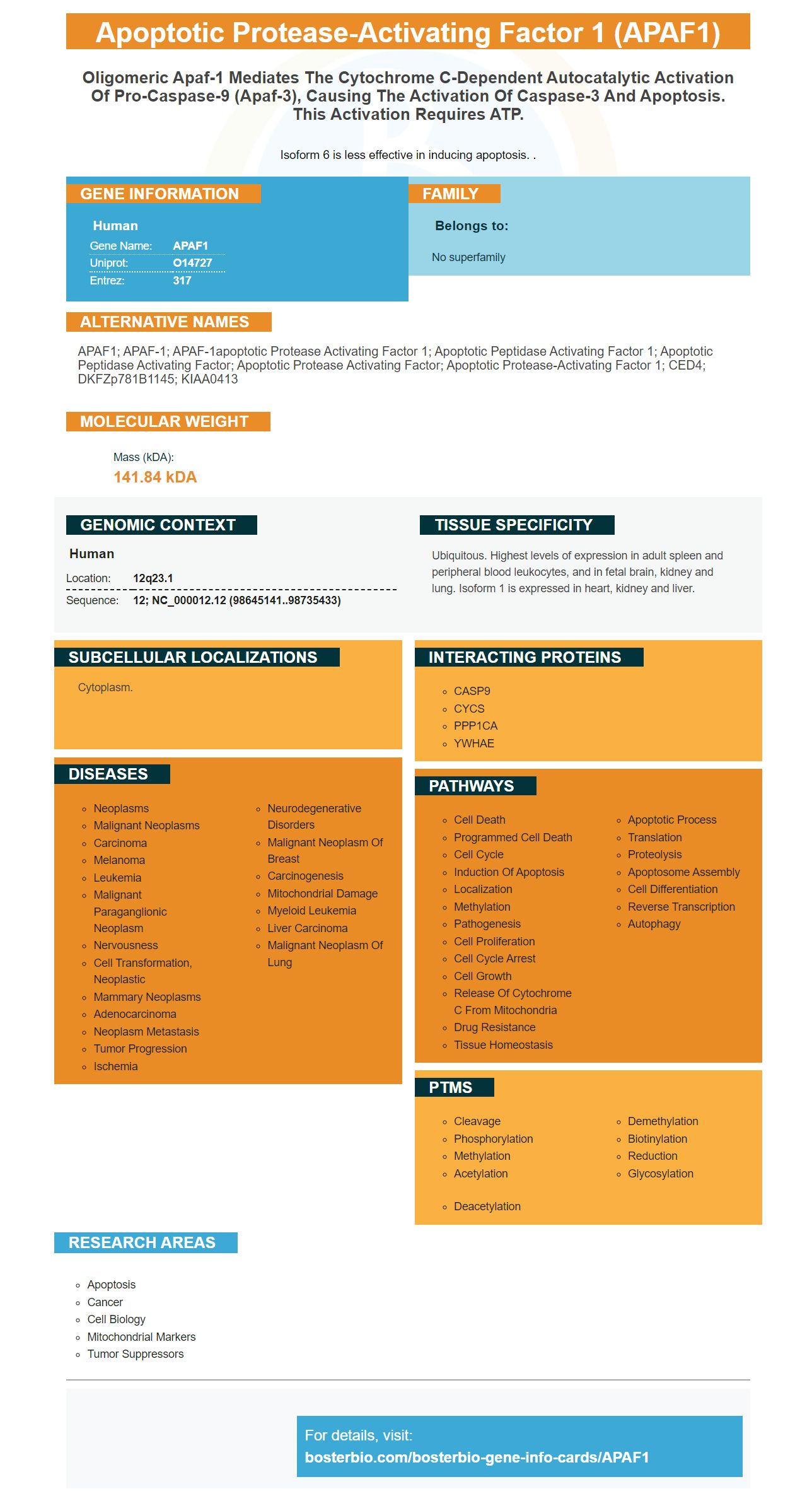
105 Citations
1 Citations


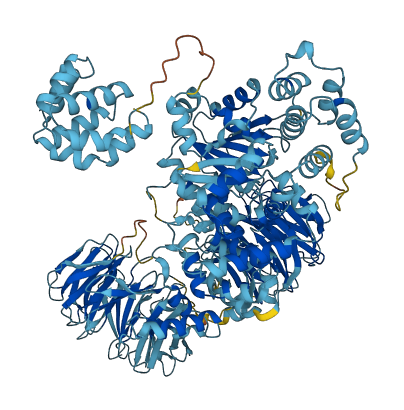
Facts about Apoptotic protease-activating factor 1.
Isoform 6 is less effective in inducing apoptosis. .
| Human | |
|---|---|
| Gene Name: | APAF1 |
| Uniprot: | O14727 |
| Entrez: | 317 |

| Belongs to: |
|---|
| No superfamily |

APAF1; APAF-1; APAF-1apoptotic protease activating factor 1; apoptotic peptidase activating factor 1; apoptotic peptidase activating factor; apoptotic protease activating factor; apoptotic protease-activating factor 1; CED4; DKFZp781B1145; KIAA0413
Mass (kDA):
141.84 kDA

| Human | |
|---|---|
| Location: | 12q23.1 |
| Sequence: | 12; NC_000012.12 (98645141..98735433) |
Ubiquitous. Highest levels of expression in adult spleen and peripheral blood leukocytes, and in fetal brain, kidney and lung. Isoform 1 is expressed in heart, kidney and liver.
Cytoplasm.






PMID: 9267021 by Zou H., et al. Apaf-1, a human protein homologous to C. elegans CED-4, participates in cytochrome c-dependent activation of caspase-3.
PMID: 10441496 by Hahn C., et al. Three new types of Apaf-1 in mammalian cells.
*More publications can be found for each product on its corresponding product page